 (Image via
Steady footing helps you handle daily activities with confidence and ease. Simple exercises that focus on balance and strength can become part of your normal routine, making movements like carrying groceries or stepping off a curb feel effortless. You may notice you stand taller and feel more secure as you go about your day. Practical routines don’t require special equipment or hours at the gym; they just need a few mindful minutes. Discover seven practical fitness techniques that blend seamlessly into your schedule and bring a greater sense of stability to everything you do.
These strategies work together to boost your confidence, cut your risk of spills, and add a bit of fun to your workout. You’ll tackle core fire-ups, single-leg moves, balance drills, and gear-free combos that all mimic real-life actions. Ready to rock daily stability? Let’s jump in.
Method 1: Core Activation Exercises
When you activate your core, every lift, twist, or reach becomes smoother. You establish a rock-solid base that keeps you upright whether you’re loading the dishwasher or playing with the kids. These exercises prime your abs, lower back, and hips for movement without fuss.
Start small, then increase difficulty. Keep your spine neutral and breathe steadily. Feel the muscles engage rather than tensing up your neck or shoulders.
- Dead Bug: Lie on your back, arms reach up, knees bent at 90 degrees. Lower opposite arm and leg toward the floor, then switch.
- Plank with Shoulder Tap: Hold a plank, lift one hand to touch the opposite shoulder, then return. Keep hips steady.
- Heel Slide: Lie down, knees bent, feet flat. Slowly slide one heel away while maintaining a tight core, then pull it back.
Method 2: Lower-Body Strength Training
Strong legs anchor every walk, squat, or step. You can skip fancy machines; bodyweight and simple weights do the trick. Add load gradually to challenge your muscles and tendons.
Follow this beginner-to-intermediate progression. Do three sets of each, resting a minute between sets.
- Bodyweight Squat: Feet hip-width, chest up. Sit back as if on a chair, then stand.
- Reverse Lunge: Step one foot back, bend both knees to 90 degrees, push through front heel to rise.
- Goblet Squat: Hold a dumbbell or Kettlebell at chest height. Perform a squat focusing on depth.
- Step-Up: Use a bench or sturdy chair. Step up with one foot, bring the other up, then step down carefully.
Method 3: Balance and Proprioception Drills
Balance drills sharpen the brain-to-muscle link that helps you stay upright even on uneven surfaces. These moves train sensors in your joints to react faster when you shift weight or hit a rough patch.
You can do these anywhere—no gear needed. You’ll notice steadier walking and fewer jolts when you lose focus. Keep a chair or wall nearby for safety.
Practice standing on one leg while brushing your teeth. Close your eyes for a challenge. Add gentle foot circles or reach forward with your arms as you stand still. Hold each position for 20–30 seconds.
For advanced work, introduce a wobble cushion or fold a towel under your foot. Small unsteady surfaces force quick corrections and improve your proprioception.
Method 4: Stability Ball Routines
Inflatable stability balls create an unstable base that forces your muscles to engage constantly. These routines activate your entire midsection and often improve your posture quickly.
You can use the ball for seated drills, core rotations, or hip bridges. Keep your movements controlled to avoid bouncing off!
- Ball Roll-Out: Kneel with the ball in front, hands on top. Roll forward until you feel a stretch, then pull back.
- Bridge on Ball: Lie on your back, feet on the ball, lift hips until your body forms a straight line.
- Seated March: Sit tall, lift one knee toward chest, lower, then alternate.
Method 5: Unilateral Movement Patterns
Training one side of your body at a time corrects imbalances. If one leg or arm is weaker, it doesn’t hide behind its stronger neighbor. You build equal strength and better coordination.
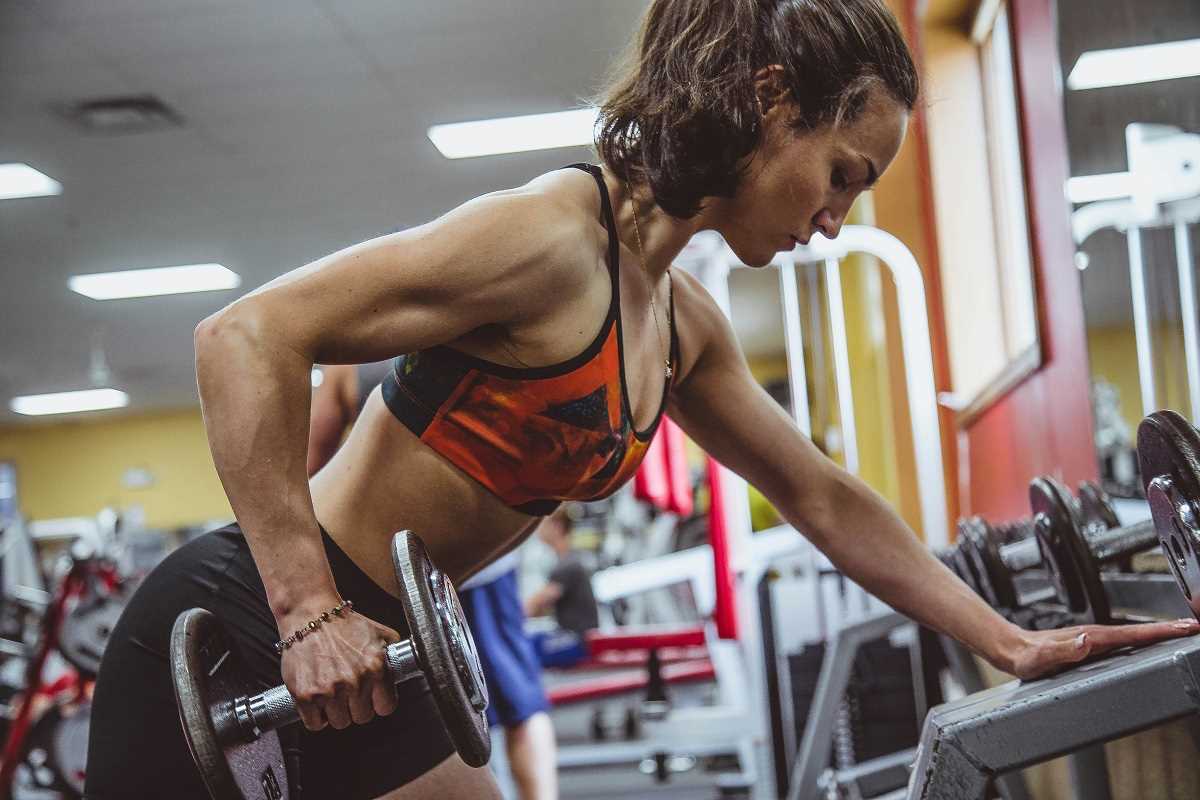
Examples include single-leg deadlifts, one-arm presses, and single-arm rows. Use a weight that challenges you for about 8–12 repetitions per side. Focus on smooth technique over heavy loads.
Method 6: Integrated Functional Movements
Complex actions mirror how you use your body daily. Think of carrying groceries while stepping over a curb or twisting to reach a top shelf. These moves combine squat, hinge, and rotation patterns for full-body engagement.
Sample drill: Hold a light dumbbell at chest height, squat down, then stand up and twist your torso to press the weight overhead. This motion builds strength, mobility, and control in one go. Keep your core tight and feet planted.
Method 7: Dynamic Stability Challenges
Dynamic drills add speed and unpredictability. They push your muscles to react quickly, which improves stability during sudden movements. Use backyard or park spaces for these exercises.
Set up low cones or water bottles in a zigzag pattern. Sprint or side-shuffle through them, focusing on quick footwork and soft landings. Aim for brief sets of 20–30 seconds, then rest and repeat.
Another option: partner toss. Stand a few feet apart, gently throw a light medicine ball to each other while standing on one leg. Catching introduces an element of surprise that activates stabilizers intensely.
Practice one method at a time to stay motivated and prevent overload. Consistent effort improves your balance and daily stability. Keep practicing and vary your routine to see continued progress.